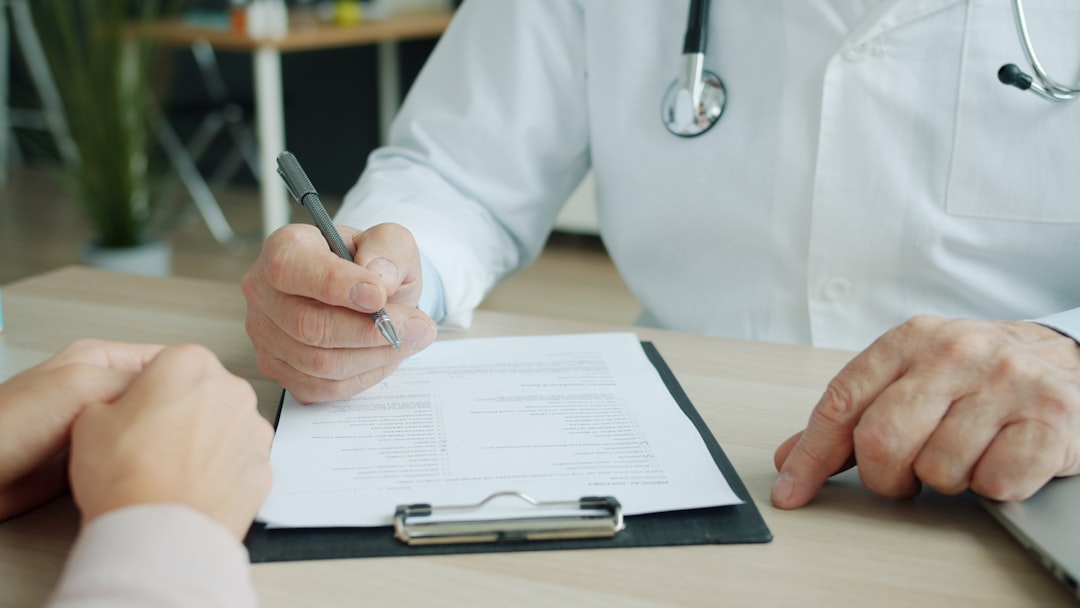
Patient intake has long been healthcare's most frustrating bottleneck. Clipboards stacked with redundant forms, illegible handwriting, and the same questions asked visit after visit. For decades, the intake process has been optimized for administrative convenience rather than patient experience or clinical utility.
The digital transformation of intake began with electronic forms, essentially moving paper to screens. While this improved legibility and storage, it did little to address the fundamental problem: intake processes were still asking rigid, predetermined questions rather than engaging patients in meaningful dialogue about their health concerns.
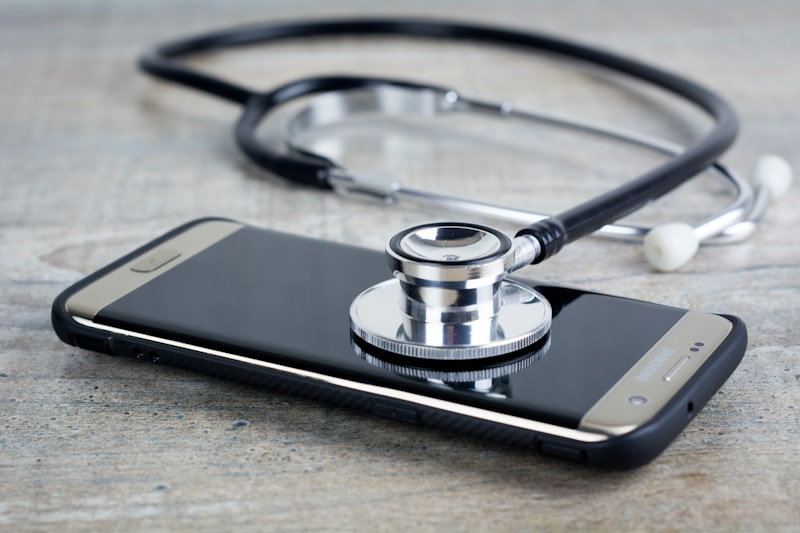
AI-powered conversational intake represents the next leap forward. Instead of static forms, patients engage with an intelligent system that asks follow-up questions based on their responses, explores relevant symptom clusters, and captures nuances that checkbox forms cannot accommodate.
Medcol's intake system is designed to feel like a conversation with a thoughtful medical professional. It adapts its language complexity, follows clinical logic trees, and knows when to probe deeper versus when to move on. The result is richer data captured in less time, with higher patient satisfaction.
The data quality improvement is significant. Free-form patient narratives, processed by natural language understanding, capture symptom timelines, severity patterns, and associated factors that structured forms routinely miss. Clinicians receive not just answers but context.
From Data Collection to Data Intelligence
The evolution of intake is not just about gathering information more efficiently. It is about transforming raw patient input into clinical intelligence. Modern intake systems can identify red flags, suggest appropriate triage levels, and route patients to the right provider based on the complexity and urgency of their concerns.

For healthcare systems, the operational benefits are substantial. Automated intake reduces front-desk workload by up to 40%, allows patients to complete their information at home before arriving, and ensures that clinical documentation is complete and standardized before the encounter begins.