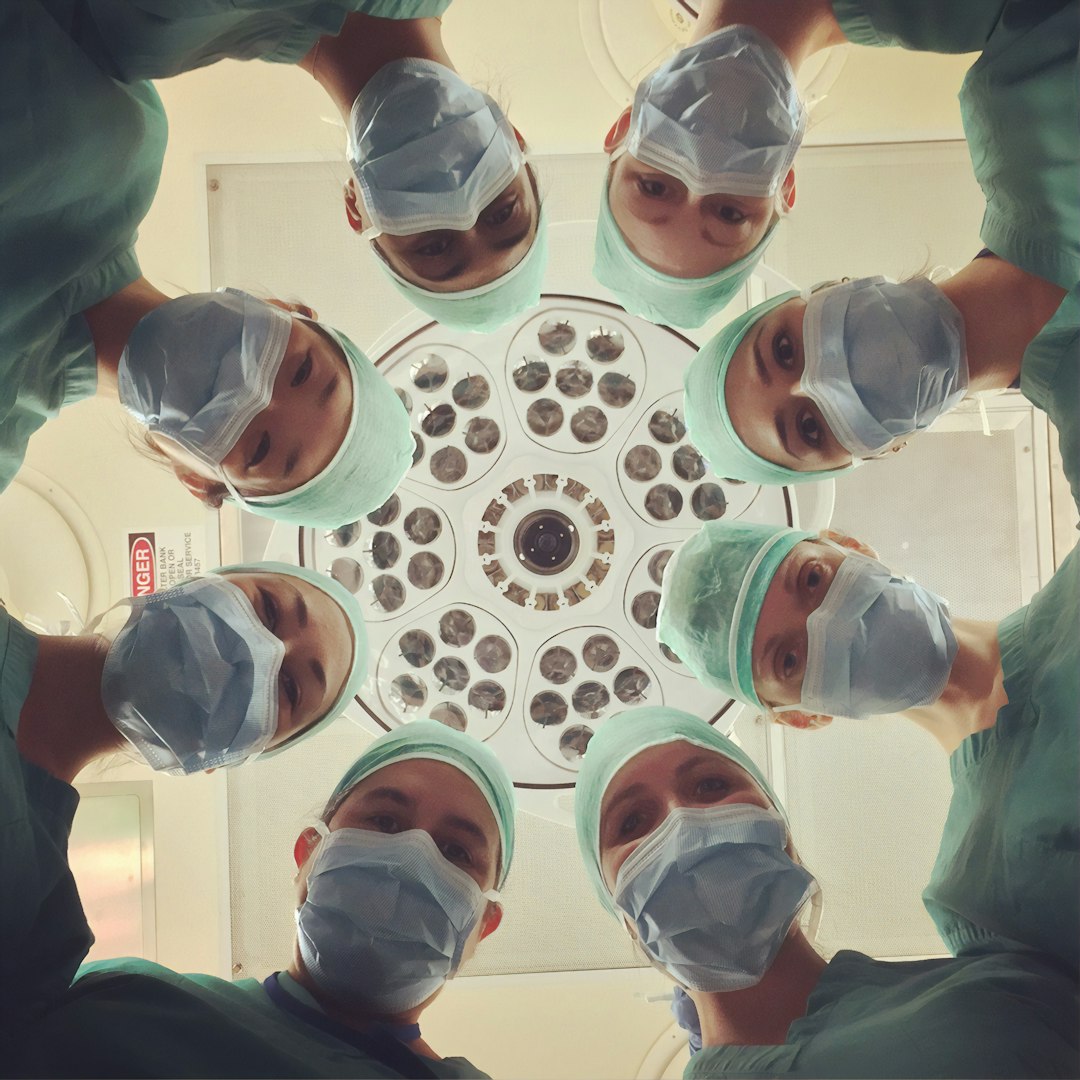
Primary care is the backbone of every health system, yet it faces mounting pressure from growing patient panels, shrinking visit times, and expanding scope of practice. Artificial intelligence offers a path forward, not by replacing the primary care clinician but by amplifying their capacity to deliver comprehensive, personalized care.
The AI applications gaining traction in primary care are not the dramatic diagnostic breakthroughs that make headlines. Instead, they are the quiet, consistent tools that handle the cognitive overhead of modern medicine: synthesizing records, flagging gaps in preventive care, and preparing clinicians for each unique patient encounter.
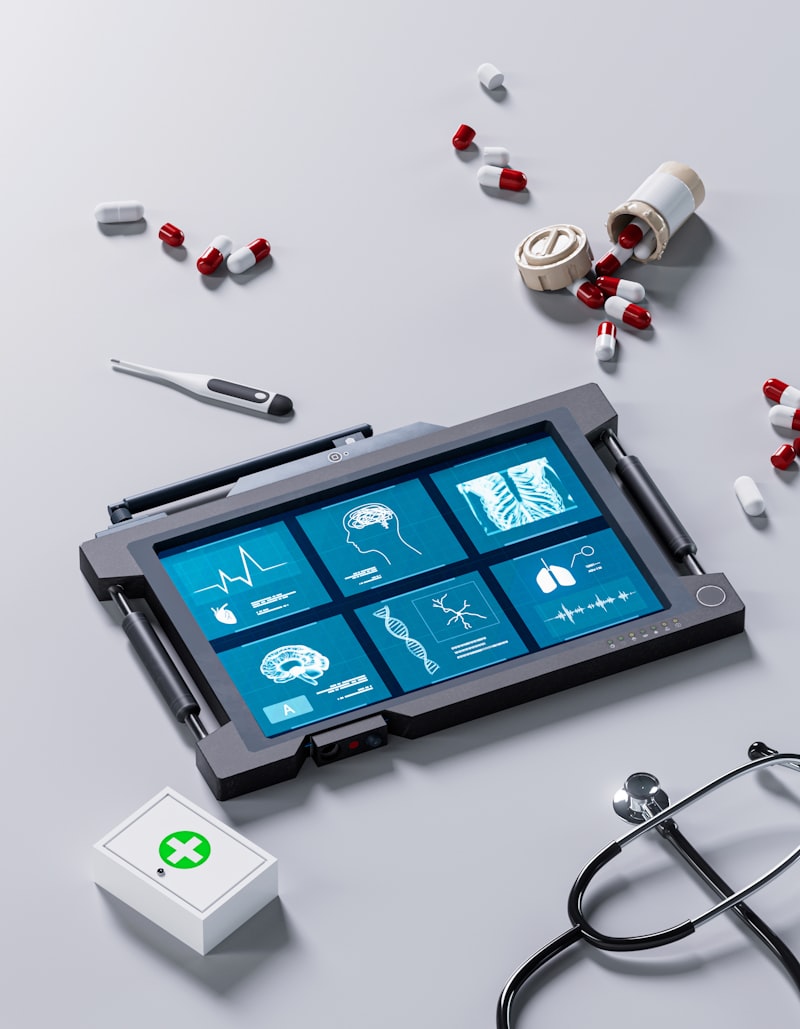
Medcol's vision for primary care AI centers on the concept of the prepared visit. Before every appointment, our system reviews the patient's history, recent lab results, and pre-visit narrative to generate a concise clinical summary. This summary highlights potential concerns, suggests relevant screening questions, and identifies patterns that might otherwise be missed in a 15-minute visit.
The prepared visit model addresses one of primary care's most persistent challenges: the tension between thoroughness and time. By front-loading the cognitive work, clinicians can devote their face-to-face time to the examination, counseling, and relationship-building that define excellent primary care.
Longitudinal patient tracking is another area where AI excels. Primary care relationships span years and even decades. AI systems can identify subtle trends in patient data, such as gradually increasing blood pressure readings or weight changes, that human memory alone cannot reliably track across hundreds of patients.
Preventive Care at Scale
Preventive care is where primary care delivers its greatest value, yet gaps persist. Patients miss screenings, vaccinations fall behind schedule, and chronic disease management plans go unfollowed. AI-powered systems can proactively identify these gaps and prompt both patients and providers to act.

The future of AI in primary care is not about replacing the generalist physician. It is about giving that physician superhuman memory, tireless attention to detail, and the time to be fully present with each patient. That combination of human judgment and machine capability defines the next era of primary care.
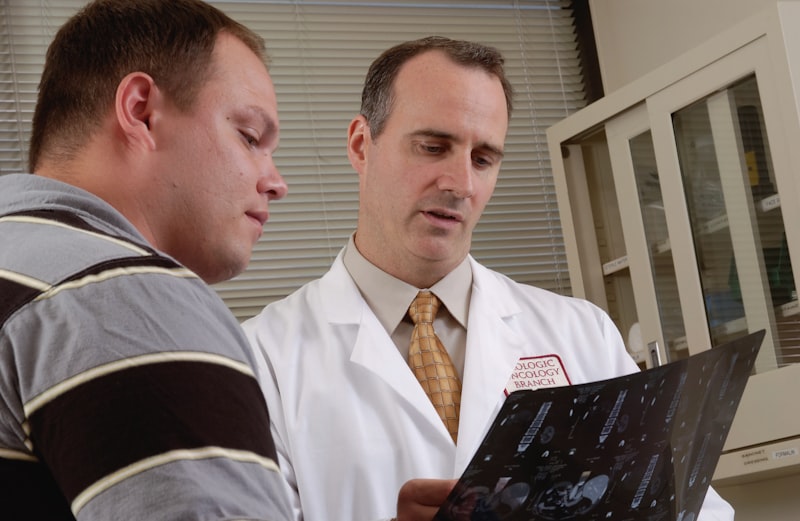
Adoption challenges remain real. Clinicians need training, workflows need redesign, and patients need assurance that AI is a tool serving their care rather than a barrier to it. The primary care practices that navigate this transition successfully will define the standard of care for the next generation.